One of the first things an insurance company may do after a car accident is try to shift some of the blame onto you. An adjuster might say you were following too closely, driving too fast, should have braked sooner, or somehow contributed to the crash. For injured drivers in Framingham, Natick, Wellesley, and across MetroWest, that phone call can be discouraging.
But does it mean you cannot recover compensation for your injuries? No. Being partially at fault for a car accident does not automatically prevent you from recovering compensation in Massachusetts.
|
The Short Answer Massachusetts follows modified comparative negligence. You can still recover compensation if you share some of the blame, as long as your share of fault is not greater than that of the party (or parties) you are pursuing. Your recovery is reduced by your percentage of fault. |
What Is Massachusetts' Comparative Negligence Law?
Massachusetts General Laws Chapter 231, Section 85 establishes the state's comparative negligence rule. Under this law, you can recover compensation as long as your percentage of fault is not greater than the total percentage of fault of the person or people you are pursuing a claim against.
In a typical two-car accident, this means:
- If you are 10% at fault, you can still recover 90% of your damages.
- If you are 25% at fault, you can still recover 75% of your damages.
- If you are 50% at fault, you can still recover 50% of your damages.
- If you are 51% at fault, you cannot recover compensation from the other driver.
In other words, you can still pursue an injury claim even if you were partially responsible, provided your share of fault does not exceed 50% in a typical two-driver case. When more than one other driver is involved, such as a chain-reaction crash on Route 9 or the Mass Pike, your fault is compared to the combined fault of the defendants.

How Does Being Partially at Fault Affect Your Settlement?
Your compensation is reduced by the percentage of fault assigned to you. Imagine your total damages, including medical bills, lost wages, and pain and suffering, are valued at $100,000. If you are found 20% responsible, your recovery is reduced by 20%, and you could recover $80,000.
|
Why Every Percentage Point Matters On a $100,000 claim, each 1% of fault assigned to you can cost you $1,000. That is why insurers work hard to push blame onto injured drivers, and why it pays to have someone push back. Learn more about what your accident case may be worth. |
Can the Insurance Company Decide That I Was at Fault?
An adjuster may tell you that you caused the accident or share responsibility for it. However, the insurance company's position is not the final word. Insurers evaluate claims based on their own financial interests, and arguing that you were partly to blame is one of the most common ways to reduce a payout or deny a claim altogether.
The actual determination of fault depends on the evidence, which may include:
- Police reports and witness statements.
- Photographs and video footage, including dash cam, traffic, and nearby business cameras.
- Vehicle damage and accident reconstruction evidence.
- Massachusetts traffic laws and the actions of each driver.
- Statements made by the drivers involved.
Under Massachusetts law, the party claiming you were negligent bears the burden of proving it in order to reduce or bar your recovery. You do not have to disprove the adjuster's theory; they have to prove it.
How Blame-Shifting Happens on MetroWest Roads
MetroWest drivers deal with busy commuter corridors every day: the stop-and-go stretches of Route 9 through Framingham, Natick, and Wellesley, the Mass Pike interchanges, and local routes like Route 135, Route 126, and Route 16. Crashes on these roads often lead to familiar fault arguments:
- Rear-end collisions: The insurer claims you stopped suddenly, even when the other driver was following too closely.
- Left-turn crashes: The adjuster argues you misjudged the gap, while ignoring the other driver's speed or red-light running.
- Lane changes and merges: Each driver says the other drifted, making witness and video evidence critical.
- Parking lot and intersection crashes: Insurers may call it "50/50" simply to cut the claim in half.
A label like "50/50" is an opening offer, not a legal finding. Careful investigation can change the percentages significantly. If you were injured as a passenger, on a motorcycle, as a pedestrian, or in a truck accident, comparative fault can still come into play.
Your PIP Benefits Do Not Depend on Fault
Massachusetts is a no-fault state for initial benefits. Personal Injury Protection (PIP) generally provides up to $8,000 for medical expenses and lost wages regardless of who caused the crash. Even if an adjuster blames you, you may still be able to access PIP to help with medical bills while your injury claim is pursued.
What to Do if the Adjuster Says You're at Fault
- Do not admit fault or agree with the adjuster's version of events.
- Be cautious about recorded statements. Your words can be used to increase your share of the blame.
- Preserve evidence. Save photos, names of witnesses, and the location of any cameras that may have captured the crash.
- Keep treating. Gaps in medical care are often used to argue your injuries are not serious.
- Do not sign or accept a settlement until you understand your rights. See our FAQ on whether an adjuster's offer to cover bills and wages is fair.
For more guidance, read three of the most important things to do after a car accident and why you should speak to an attorney after a serious accident, or download our free report, What You Can Do to Get a Full and Fair Settlement After a Car Accident.
Free, No-Obligation Consultation. No Money Down. No Risk.
If you were injured in a car accident in Framingham, Natick, Wellesley, or anywhere in MetroWest Boston, and the other driver's insurer is blaming you, do not assume you have no case. The percentage of fault matters, and how it is determined can make a significant difference in what you recover.
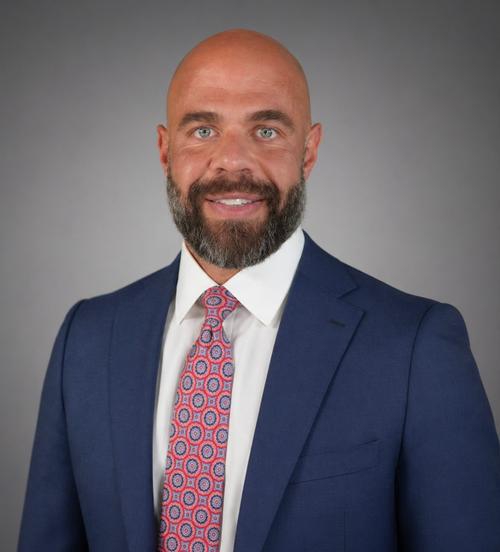
Attorney Chuck Pappas has more than 20 years of experience representing injured people throughout Massachusetts. He is a Massachusetts Super Lawyers honoree six years in a row and has been named to the National Trial Lawyers Top 100 Civil Plaintiff list. Review our case results and client reviews to see how we fight for full and fair compensation.
|
How It Works at Pappas Law
Call (508) 879-3500 or contact us online. Our Framingham office at 639 Concord Street is convenient to Natick, Wellesley, and all of MetroWest. |
Frequently Asked Questions
Can I still recover compensation if I was partly at fault for a car accident in Massachusetts?
Yes. Massachusetts follows modified comparative negligence under M.G.L. c. 231, § 85. You can recover damages as long as your share of fault is not greater than the combined fault of the people you are pursuing. Your recovery is reduced by your percentage of fault.
What happens if I am found 50% at fault in a Massachusetts car accident?
In a typical two-driver case, if you are 50% at fault you can still recover 50% of your damages. If you are found 51% or more at fault, you are barred from recovering from the other driver.
Does the insurance adjuster decide who was at fault?
No. An adjuster's opinion is a negotiating position, not a final ruling. If a claim does not settle, fault is decided by a judge or jury based on the evidence, and the party claiming you were negligent has the burden of proving it.
Can I get PIP benefits in Massachusetts if I caused the accident?
Generally, yes. Massachusetts Personal Injury Protection (PIP) provides up to $8,000 in benefits for medical bills and lost wages regardless of who caused the crash, subject to policy terms and limits. The PIP benefits are considered no-fault benefits, so you are eligible for them even if the accident was your fault.
How long do I have to file a car accident claim in Massachusetts?
In most Massachusetts car accident injury cases, you have three years from the date of the accident to file a lawsuit under M.G.L. c. 260, § 2A. Exceptions can apply, so it is best to speak with an attorney early.
How much does it cost to talk to Attorney Pappas about my car accident?
Nothing. Attorney Chuck Pappas offers free, no-obligation consultations. There is no money down, and car accident cases are handled on a contingent fee basis, so you pay no attorney's fee unless there is a recovery.
Have more questions? Visit our FAQ page or learn more about our personal injury practice.