I recently had a conversation with a young woman, who was injured in a car accident in Worcester when a distracted driver rear ended her car. During our conversation, she asked why the other driver’s car insurance doesn’t pay her medical bills while she treats for her injuries. It is one of the most common questions we hear from injured clients in Framingham, Natick, Wellesley, and across MetroWest Boston: "The other driver caused the crash. Why isn't their insurance company paying my medical bills?" It is a fair question, and the answer surprises most people. In Massachusetts, the law is set up so that your own coverage pays first, and the at-fault driver's insurer pays later, through a settlement or a court/jury verdict. Here is how the system works and how to make sure it works for you.
|
Quick Answer Massachusetts is a no-fault state. After a crash, your medical bills are first paid by the Personal Injury Protection (PIP) coverage on the vehicle you were driving or riding in, no matter who caused the accident. PIP pays up to $8,000 (or up to $2,000 in medical bills if you have private health insurance), and then your health insurance picks up the rest. The at-fault driver's insurance company does not pay your bills as you treat. Instead, you or your car accident lawyer pursue a settlement from that insurer at the end of your case for out-of-pocket medical costs, lost wages, and pain and suffering. |
Massachusetts Is a No-Fault State: What That Means for You
Massachusetts is one of a handful of "no-fault" auto insurance states. No-fault does not mean no one is responsible for the crash, and it does not mean the careless driver gets off the hook. It simply means that, in the early stages after an accident, each injured person's immediate medical bills and lost wages are paid by the insurance on the vehicle they were in, regardless of who was at fault.
The idea behind the law is speed. Instead of waiting months for insurance companies to argue about who caused the crash, injured people can get treatment started right away. Fault still matters a great deal; it just comes into play later, when you bring your injury claim against the negligent driver.
What Is PIP and What Does It Cover?
PIP stands for Personal Injury Protection. It is a mandatory (compulsory) part of every Massachusetts auto insurance policy, and it provides up to $8,000 in benefits for each injured person. PIP generally covers:
- Reasonable and necessary medical expenses, such as ambulance, emergency room, doctor visits, physical therapy, chiropractic care, and diagnostic testing
- Lost wages, generally at 75% of your average weekly wage while you are unable to work
- Replacement services, such as help with household tasks you cannot do because of your injuries
PIP covers the driver and passengers in the insured vehicle, members of the policyholder's household, and pedestrians struck by the vehicle. If you were a passenger, you typically use the PIP on the car you were riding in. If you were a pedestrian hit by a car, the PIP coverage on that vehicle or on your own household policy may apply.
The $8,000 and $2,000 Rule: How PIP and Health Insurance Work Together
Here is where many people get confused. The amount of medical bills PIP pays depends on whether you have private health insurance:
|
PIP at a Glance No private health insurance (including MassHealth and Medicare): PIP can pay up to the full $8,000 toward your medical bills and lost wages. Private health insurance: PIP pays the first $2,000 of your medical bills. Your health insurance then covers the rest of your treatment. The remaining PIP benefits (up to the $8,000 total) can still pay lost wages and medical costs your health plan does not cover, such as copays and deductibles. |
So, once PIP's medical coverage is exhausted, your health insurance becomes the primary payer for your ongoing treatment. Make sure every provider has both your auto insurance claim number and your health insurance information so bills are routed correctly and do not go to collections. Our article on dealing with outstanding medical bills after an accident offers more practical tips.
Why It Seems Backwards, and Why It Is Designed This Way
It can feel counterintuitive, even unfair, that your own policy pays when someone else caused the crash. But the system is intentional. Your PIP and health insurance carriers pay your bills promptly so treatment is not delayed by disputes over fault. The at-fault driver's insurance company is then held accountable at the end of the case, when the full picture of your injuries is known.
In short: the negligent driver's insurance company does not pay your medical bills as you treat. That is not a sign that your claim is weak. It is simply how Massachusetts law sequences the payments.
When Does the At-Fault Driver's Insurance Company Pay?
The at-fault driver's bodily injury liability coverage comes into play once you have finished treating, or reached the point where your doctors can say what your long-term outlook is. At that point, you or your attorney present a demand for compensation that can include:
- Out-of-pocket medical expenses, including copays, deductibles, and bills not covered by PIP or health insurance
- Lost wages not covered by PIP, including the 25% PIP does not pay and any future loss of earning capacity
- Pain and suffering, including physical pain, emotional distress, and loss of enjoyment of life
Under Massachusetts law, to pursue pain and suffering you generally must have more than $2,000 in reasonable medical expenses, or an injury such as a fracture, permanent disfigurement, or loss of sight or hearing. An experienced attorney will evaluate whether your case meets this threshold.
Why Waiting Until Treatment Ends Protects the Value of Your Case
Settling too early is one of the costliest mistakes an injured person can make. Once you sign a release, your claim is over, even if you later learn you need surgery or more therapy. Waiting until treatment is complete allows for the full ascertainment of your damages: every bill, every missed day of work, and the true impact the injury has had on your life. That is the foundation of a strong demand. Learn more about what your accident case may be worth, and be cautious if an adjuster offers to cover your bills and lost wages early.
The goal and the strategy are the same: to document your damages completely and then require the at-fault driver's insurer to pay a fair settlement that compensates you for your medical bills and everything else you have lost.
What If the Insurance Company Won't Offer a Fair Settlement?
Insurance companies are in the business of paying as little as possible. If the at-fault driver's insurer refuses to pay or makes a lowball offer, you have the right to file a lawsuit against the negligent driver and take the case to court. Attorney Pappas is a trial lawyer, not just a settlement lawyer. If a fair offer is not on the table, he is prepared to file suit and present your case to a judge or jury. You can review some of our case results here. Keep in mind that Massachusetts generally allows three years from the date of the crash to file a car accident lawsuit, so it is wise to get guidance early.
Car Accident Help for Framingham, Natick, Wellesley, and MetroWest Boston
From Route 9 and the Mass Pike to Concord Street in downtown Framingham and the busy corridors through Natick and Wellesley, MetroWest drivers face heavy daily traffic. When a crash happens, you deserve a local attorney who knows how Massachusetts no-fault law works and who will personally handle your case. Our Framingham office at 639 Concord Street serves injured people throughout Framingham, Natick, Wellesley, Ashland, Sudbury, Wayland, Holliston, and surrounding communities. If you cannot come to us, we will come to you.
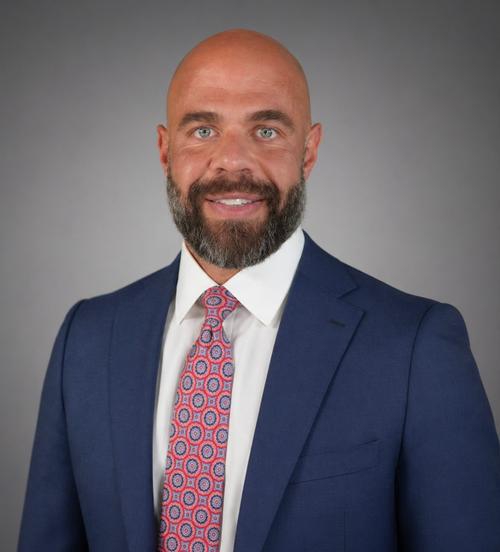
Attorney Charles S. Pappas has more than 20 years of experience, has been named to the National Trial Lawyers Top 100 Civil Plaintiff list, and has been recognized by Massachusetts Super Lawyers. When you hire Pappas Law, your case is handled by Chuck himself, not passed off to someone else. See what our clients say in our reviews.
|
Free, No-Obligation Consultation. No Risk to You. Attorney Pappas offers free consultations with no obligation, and we handle car accident cases on a contingency fee basis, so there is no fee unless we recover compensation for you. Call (508) 879-3500 or contact us online to talk through your PIP benefits, your medical bills, and your claim against the at-fault driver. You can also download our free book, What You Can Do to Get a Full and Fair Settlement After a Car Accident. |
Frequently Asked Questions: Medical Bills After a Massachusetts Car Accident
Why isn't the at-fault driver's insurance paying my medical bills in Massachusetts?
Because Massachusetts is a no-fault state. Your medical bills are first paid by PIP coverage on the vehicle you occupied, then by your health insurance. The at-fault driver's insurer pays later, through a settlement or court verdict, after your treatment is complete.
What does PIP cover in Massachusetts?
PIP (Personal Injury Protection) provides up to $8,000 per person for reasonable medical expenses, 75% of lost wages, and replacement services, regardless of who caused the accident.
Why does PIP only pay $2,000 of my medical bills?
If you have private health insurance, PIP pays the first $2,000 of medical bills and your health insurance covers the rest. Remaining PIP benefits, up to $8,000 total, can still pay lost wages and medical costs your health plan doesn't cover.
Can I get pain and suffering if Massachusetts is a no-fault state?
Yes. You can pursue pain and suffering from the at-fault driver if your reasonable medical expenses exceed $2,000 or you suffered a qualifying injury such as a fracture, permanent disfigurement, or loss of sight or hearing.
When should I settle with the other driver's insurance company?
Generally, only after you finish treatment or your doctor can describe your long-term prognosis. Settling early can leave future medical bills and losses uncompensated, because a signed release ends your claim.
What if the insurance company won't make a fair offer?
You can file a lawsuit against the negligent driver. In Massachusetts, you generally have three years from the date of the crash to file. An experienced car accident lawyer can advise you on timing and strategy.
Does Attorney Pappas charge for a consultation?
No. Pappas Law offers free, no-obligation consultations to car accident victims in Framingham, Natick, Wellesley, and throughout MetroWest Boston. Call (508) 879-3500 to get started.