The early-season nor'easter that swept through Massachusetts from Saturday, September 26th through Monday, September 28th brought soaking rain, strong winds, downed trees, and flooded roads across the MetroWest region. On Sunday, the National Weather Service placed Framingham, Natick, Wellesley, Marlborough, Needham, and Newton under a flood warning after 2 to 2.5 inches of rain had already fallen, with more on the way. Forecasters expected storm totals of 2 to 4 inches, with some communities reaching 5 to 7 inches.
Rain like that turns familiar commutes on Route 9, Route 135, Route 30, and the Mass Pike into hazards. Water pools in low spots, storm drains back up, and visibility drops. If you were injured in a crash during this storm, here is what you need to know about fault, your health, and the insurance company.
What We Know About Crashes During This Storm
Official crash totals for this nor'easter have not yet been released. Early reports described state troopers responding Saturday morning on Route 3 near Weymouth, where a driver appeared to lose control on the slick highway, and falling trees damaged parked cars in Boston's Allston neighborhood.
The national numbers show why storms like this one are dangerous. According to the Federal Highway Administration, 75 percent of weather-related crashes happen on wet pavement and 47 percent happen during rainfall. More than 544,700 people are injured in wet-pavement crashes every year.

Mother Nature Plays a Role, But a Driver Is Still Responsible
Weather can create dangerous conditions, but weather is never the at-fault driver. Massachusetts law (M.G.L. c. 90, § 17) requires every driver to travel at a speed that is reasonable and proper given traffic, road use, and public safety. That means 45 mph might be perfectly legal on a dry afternoon and negligent in a downpour, even if the posted limit is 45.
|
The Bottom Line on Fault Rain, wind, and standing water are foreseeable during a nor'easter. Drivers are expected to slow down, leave more space, and stay alert. When they don't, they can be held liable for the injuries they cause to other drivers and passengers. |
The Hydroplaning Myth
One of the most common things we hear after a storm crash is, "There was a huge puddle, I hydroplaned, so it wasn't my fault." That belief is simply wrong. Hydroplaning is usually a symptom of careless driving, not an excuse for it. When fault is evaluated, insurers, investigators, and juries look at factors like:
- How fast the driver was going for the conditions, not just the speed limit
- Following distance and how quickly the driver reacted
- Distractions, including phone use
- Worn tires or improperly inflated tires
- Whether the standing water was visible or a known trouble spot
- Whether headlights and wipers were on
Massachusetts also follows modified comparative negligence. Even if an insurer claims you share some blame, you can still recover as long as you were not more than 50 percent at fault.
Get Medical Attention Right Away
If you were hurt in a crash during this storm, see a doctor right away if you haven't already. Adrenaline can mask symptoms, and injuries such as whiplash, concussions, and back injuries often surface days later. Insurance companies look for gaps in treatment and argue that a delay means you weren't really hurt. Your own policy's Personal Injury Protection (PIP) covers up to $8,000 in medical bills and lost wages regardless of fault.
|
Do Not Talk to the Other Driver's Insurance Company Do not give a recorded statement to, or even speak with, the other driver's auto insurance adjuster. Adjusters are trained to ask questions like "Could you see the road?" or "Were you going the speed limit?" After a storm, an innocent answer such as "It was pouring and hard to see" can be twisted to suggest you share the blame. You are not required to speak with them. Let an attorney handle it. |
Free, No-Obligation Consultations with Attorney Pappas
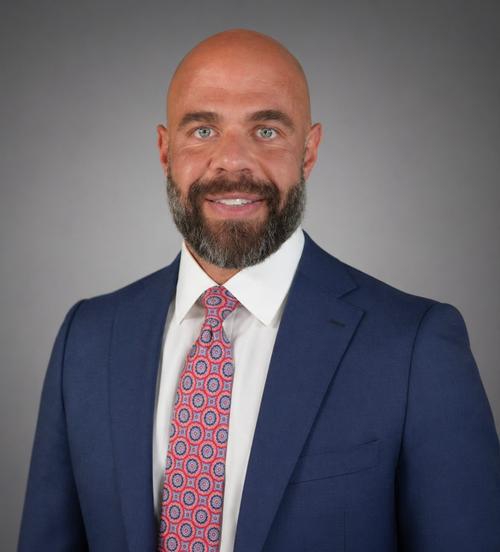
Attorney Chuck Pappas has more than 20 years of experience representing people injured in car accidents throughout MetroWest, including Framingham, Natick, and Wellesley. Consultations are always free and come with no obligation. There is no money down, and Attorney Pappas handles car accident cases on a contingent fee basis, which means there is no attorney's fee unless he recovers compensation for you. There is no risk in making the call.
If you or a loved one was injured in a crash during the nor'easter, call Pappas Law at (508) 879-3500 or visit our Framingham office at 639 Concord Street to schedule your free consultation.
Frequently Asked Questions
If a driver hydroplaned during the nor'easter, are they automatically not at fault?
No. Hydroplaning does not excuse a crash. Massachusetts requires drivers to travel at a speed that is reasonable for the conditions, so investigators and insurers look at speed, following distance, tire condition, and distraction. A driver who hydroplanes into another car is often found at fault for driving too fast for the rain.
Who pays my medical bills after a storm-related car accident in Massachusetts?
Your own auto policy's Personal Injury Protection (PIP) pays up to $8,000 in medical bills and lost wages regardless of who caused the crash. Once those benefits run out, or if your injuries are serious, you may pursue a claim against the at-fault driver's insurance.
Should I talk to the other driver's insurance adjuster after a crash in the storm?
No. You are not required to give a recorded statement to the other driver's insurance company. Adjusters use storm-related comments, such as "I could barely see," to shift blame onto you. Speak with an attorney first and let your lawyer handle communication.
What if I was partly at fault for a crash during the nor'easter?
Massachusetts follows modified comparative negligence. You can still recover damages as long as you were not more than 50% at fault, though your recovery is reduced by your percentage of fault.
How long do I have to file a car accident injury claim in Massachusetts?
In most cases, you have three years from the date of the crash to file a personal injury lawsuit in Massachusetts. Evidence from storm crashes disappears quickly, so it is best to act right away.
How much does it cost to speak with Attorney Pappas about my accident?
Nothing. Attorney Chuck Pappas offers free, no-obligation consultations, requires no money down, and handles car accident cases on a contingent fee basis, meaning no attorney's fee unless he recovers compensation for you.